
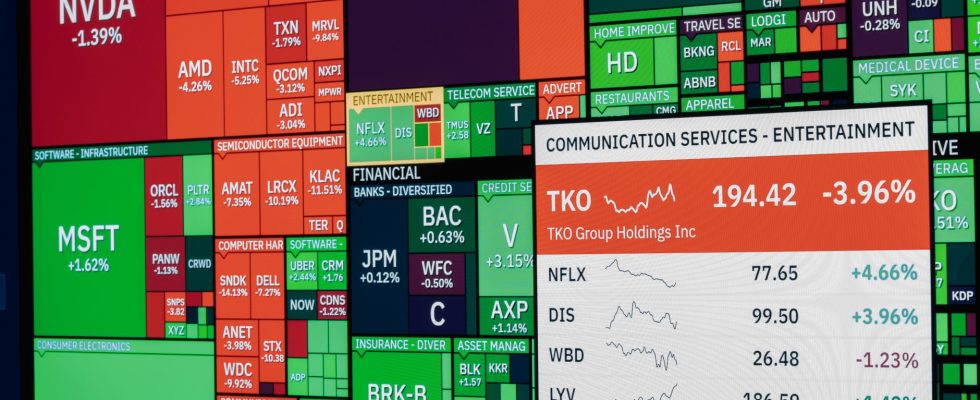
Stock Markets Today highlights how the Sensex and Nifty trimmed most of their losses amid buying in SBI and RIL. This recovery signals potential opportunities for investors.
Market Overview: Sensex and Nifty Performance
The stock markets today showed a mixed performance, with major indices like the Sensex and Nifty trimming most of their earlier losses. After a volatile start, buying interest, particularly in heavyweight stocks such as SBI and RIL, helped lift the indices from deeper declines.
As of the latest updates, the Sensex gained approximately 150 points, while the Nifty hovered around the 17,800 mark. This rebound reflects a cautious optimism among investors, who are weighing the implications of recent economic data against global cues.
- Sensex Performance: The index fluctuated between gains and losses, ultimately closing in the green. Analysts attributed the recovery to strong buying in banking and energy sectors.
- Nifty Movements: The Nifty index displayed resilience, recovering from a dip earlier in the day, mainly buoyed by gains in large-cap stocks.
- Sectoral Trends: Banking stocks, particularly State Bank of India, saw significant buying interest, contributing positively to the overall market sentiment.
Investors are advised to stay cautious amidst the fluctuating market conditions. The overall sentiment remains influenced by global economic factors and domestic corporate earnings. As stock markets today continue to evolve, a strategic approach focusing on quality stocks may yield better results in this uncertain environment.
Key Factors Influencing Market Trends
The stock markets today are being influenced by several key factors that investors should consider when formulating their strategies. Understanding these components can help in making informed decisions in a volatile environment.
- Economic Indicators: Recent reports on inflation and employment rates have shown mixed results, leading to varied reactions in the stock markets today. Investors are closely monitoring these indicators to gauge the health of the economy.
- Corporate Earnings: Quarterly earnings reports from major companies, including SBI and RIL, have played a significant role in market movements. Positive earnings can boost investor confidence, while disappointing results may lead to sell-offs.
- Global Trends: International markets and geopolitical events continue to impact local stock performance. Investors are keeping an eye on global economic conditions and how they may affect domestic stocks.
- Interest Rates: Anticipations regarding interest rate changes by central banks can influence market trends. Lower rates generally encourage investment in stocks, while higher rates may lead to a shift towards safer assets.
- Market Sentiment: Lastly, investor sentiment can drive short-term market fluctuations. Factors like news cycles, social media chatter, and trends can all create waves in stock markets today.
Being aware of these factors can assist investors in navigating the complexities of the stock market landscape.
SBI and RIL: Major Players Today
In today’s trading session, the stock markets witnessed substantial movements, particularly driven by major players like SBI and RIL. These two corporations have emerged as significant contributors to the overall market performance, showcasing resilience amidst fluctuating conditions.
SBI, India’s largest public sector bank, has seen a noticeable uptick in its share price, buoyed by strong quarterly results and a positive outlook on its asset quality. Investors are optimistic about the bank’s ability to maintain its growth trajectory, making it a focal point for those looking at stock markets today.
On the other hand, Reliance Industries Limited (RIL) has also garnered attention, with its diversified business model and strategic investments in various sectors. RIL’s recent announcements regarding renewable energy projects have captured investor interest, leading to increased buying activity. This has contributed to a slight recovery in the indices, as both companies have shown robust performance in recent weeks.
Market analysts suggest that the sustained interest in SBI and RIL indicates a broader confidence in the Indian economy, despite global uncertainties. As investors seek opportunities, these companies stand out as solid choices, reinforcing the notion that strategic investments in reliable stocks can yield positive results.
With continued focus on these major players, the outlook for the stock markets today remains cautiously optimistic.
Investor Sentiment and Market Recovery
Investor sentiment plays a crucial role in the recovery of stock markets today, particularly after periods of volatility. Many analysts believe that an optimistic outlook can significantly drive market momentum, especially when key indices like the Sensex and Nifty show signs of stabilization.
Currently, market recovery appears to be gathering pace, fueled by strong performances from major players such as State Bank of India (SBI) and Reliance Industries Limited (RIL). These companies not only contribute substantially to the indices but also influence investor confidence across the board.
- Positive Earnings Reports: Recent earnings announcements from major corporations have exceeded expectations, reinforcing investor optimism.
- Government Policies: Supportive fiscal and monetary policies have further eased concerns, providing a conducive environment for growth.
- Global Trends: A favorable international market landscape has also contributed to the positive sentiment, encouraging local investors to re-enter the market.
However, while the overall mood may be improving, investors are advised to remain cautious. Analysts suggest that a balanced approach, combining short-term opportunities with long-term strategies, is essential for navigating the current landscape. As stock markets today demonstrate resilience, a focus on thorough research and diversification may be key to maximizing returns.
Technical Analysis of Current Trends
As investors navigate the volatile landscape of stock markets today, understanding technical analysis becomes crucial. Analysts are closely monitoring key indicators to gauge potential market movements and identify profitable trading opportunities.
One of the primary tools in technical analysis is the use of moving averages, which help smooth out price data to identify trends over a specific period. Currently, both the Sensex and Nifty are testing their 50-day moving averages, a critical support level that traders watch closely. A sustained move above this level could signal a bullish trend, while a drop below it may indicate a bearish outlook.
Additionally, relative strength index (RSI) levels are being scrutinized. An RSI above 70 suggests that a stock may be overbought, while an RSI below 30 indicates it may be oversold. Recent readings have shown that some key stocks, including those of SBI and RIL, are nearing overbought territory, which could prompt a short-term pullback.
Volume analysis is also essential in the current environment. Increased trading volume alongside rising prices typically indicates strong momentum, suggesting that the recent buying activity in major stocks could continue. Investors should remain vigilant, as fluctuations in market sentiment can quickly alter the direction of stock markets today.
In conclusion, employing technical analysis tools can help investors make informed decisions amidst the ongoing market dynamics.
Future Outlook for Stock Markets
As investors look to the horizon, the future outlook for stock markets remains a topic of great interest. Analysts suggest that the current climate could present both opportunities and challenges for investors navigating these turbulent waters.
Several key factors will shape the trajectory of stock markets in the coming months:
- Global Economic Conditions: The interconnectedness of global economies means that international developments will significantly impact local markets. Investors should stay informed about potential risks stemming from geopolitical tensions and economic policies in major economies.
- Interest Rates: Central banks’ decisions on interest rates will continue to influence market dynamics. A rise in rates could lead to increased borrowing costs, affecting corporate profits and investor sentiment.
- Corporate Earnings: The performance of major companies like SBI and RIL will be closely monitored. Strong earnings reports may bolster investor confidence, while disappointing results could have the opposite effect.
- Regulatory Changes: Any new regulations or tax policies introduced by the government could also impact market performance, making it crucial for investors to keep abreast of legislative developments.
Overall, stock markets today present a mixed outlook. Investors are advised to remain vigilant and adaptive, leveraging insights from expert analyses to make informed decisions. With the right strategy, they can navigate the complexities of the market effectively.
Tips for Navigating Market Volatility
As investors navigate the complexities of stock markets today, understanding strategies to manage market volatility becomes crucial. Volatility can create both opportunities and risks, and having a well-defined approach can help investors make informed decisions.
Here are some tips for effectively navigating market fluctuations:
- Stay Informed: Regularly review market news and analyses to understand external factors affecting stock prices. This includes global economic indicators, political developments, and corporate earnings reports.
- Diversify Your Portfolio: Spreading investments across various sectors can mitigate risks associated with market downturns. Consider including a mix of stocks, bonds, and other assets.
- Set Clear Goals: Establish specific investment objectives, whether for short-term gains or long-term growth. This clarity can guide your decisions during turbulent times.
- Maintain a Long-Term Perspective: While short-term volatility can be unsettling, focusing on long-term potential can help investors avoid panic selling.
- Utilize Stop-Loss Orders: Setting stop-loss orders can help limit losses by automatically selling stocks when they fall below a predetermined price.
By incorporating these strategies, investors can enhance their resilience against the unpredictable nature of stock markets today and position themselves for future success.
Photo by Rafael Minguet Delgado on Pexels