
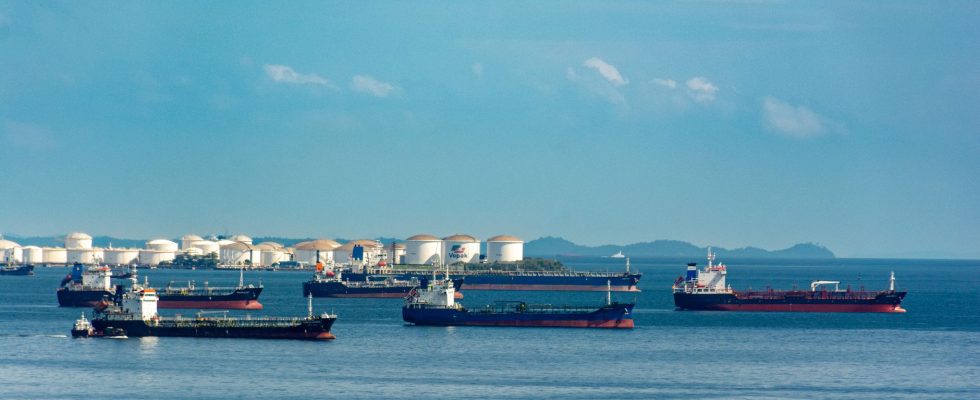
Sanctioned shadow-fleet tankers are at the center of a potential change by the US Treasury, which may allow case-by-case purchases to alleviate rising freight rates.
Understanding the Shadow-Fleet Situation
The global shipping industry is currently facing significant challenges due to fluctuating freight rates and supply chain disruptions. One of the emerging solutions involves the use of sanctioned shadow-fleet tankers, which have been operating in the shadows to transport oil and goods despite international sanctions.
These tankers, often registered under obscure flags and owned by entities in countries not enforcing sanctions, are gaining attention as potential assets that could help stabilize the market. Recently, the US Treasury Department hinted at the possibility of allowing case-by-case purchases of these vessels, aiming to alleviate the ongoing pressure on freight rates.
This move could provide a much-needed influx of capacity in a market struggling with high demand and limited supply. However, it also raises concerns about the implications of legitimizing the operations of these shadow-fleet tankers on international trade and compliance with sanctions.
As the industry navigates these complexities, stakeholders are closely monitoring developments that could reshape the future of maritime logistics.
Impact of Sanctions on Freight Rates
The recent developments regarding sanctioned shadow-fleet tankers have raised questions about their impact on freight rates globally. As the U.S. Treasury considers allowing case-by-case purchases of these vessels, market dynamics may shift significantly.
The sanctions imposed on numerous tankers have created a ripple effect across the shipping industry, leading to increased freight costs. The following factors contribute to the current situation:
- Supply Chain Disruptions: With many sanctioned vessels sidelined, the overall supply of tankers has diminished, driving freight rates higher.
- Increased Demand: As global trade rebounds, the demand for shipping capacity has surged, further straining available resources.
- Market Speculation: Uncertainty regarding the future of sanctioned shadow-fleet tankers has led to speculation, causing fluctuations in pricing.
Allowing selective purchases could ease some of these pressures, potentially stabilizing freight rates in the near term. However, the long-term implications remain to be seen as the situation evolves.
US Treasury’s Proposed Changes
The US Treasury is considering significant changes that could impact the shipping industry, particularly regarding sanctioned shadow-fleet tankers. This proposal aims to allow for case-by-case purchases of these vessels, which have been previously restricted due to sanctions. The intention behind this shift is to alleviate some of the pressures on freight rates that have been exacerbated by the ongoing geopolitical tensions.
Industry experts are optimistic that this move could lead to more flexible shipping options and potentially stabilize the market. The shadow fleet, consisting of tankers that evade sanctions, has become a crucial part of global oil transport. By formalizing a process for purchasing these tankers, the Treasury hopes to integrate them into legitimate trade channels.
However, there are concerns about the implications of such a policy. Critics argue that allowing sanctioned shadow-fleet tankers into the market could undermine the effectiveness of existing sanctions and send mixed signals regarding compliance with international laws.
As discussions continue, stakeholders are closely monitoring these developments for their potential impact on freight rates.
Logistics Industry Reactions
The logistics industry has had varied reactions to the potential easing of restrictions on sanctioned shadow-fleet tankers. Many stakeholders believe that allowing case-by-case purchases could significantly lower freight rates, which have been impacted by stringent sanctions. Industry experts argue that these changes could lead to a more stable supply chain, especially in light of recent disruptions.
Some key opinions include:
- Support for Flexibility: Many logistics companies express support for the proposed changes, stating that flexibility in acquiring sanctioned vessels could help alleviate congestion and improve delivery times.
- Concerns Over Compliance: On the other hand, some industry leaders caution that relaxing restrictions might lead to compliance issues, with concerns about how to ensure that vessels are not directly or indirectly connected to illicit activities.
- Market Speculation: Analysts are divided, with some predicting that the introduction of sanctioned shadow-fleet tankers could lead to market volatility, as companies adjust to the new dynamics.
Overall, the logistics sector is closely monitoring these developments as they could reshape the future of shipping and freight rates.
Future of Tanker Purchases
The future of tanker purchases, particularly in relation to sanctioned shadow-fleet tankers, remains uncertain but potentially promising. As the logistics industry grapples with ongoing freight rate challenges, the recent proposal by the US Treasury to consider case-by-case purchases of these tankers presents a notable shift in strategy.
Industry experts believe that allowing these purchases could significantly alleviate current freight rate pressures. The sanctioned shadow-fleet tankers, often operating in the shadows of legality, have been a contentious topic. However, by integrating them into legitimate supply chains, the industry may find pathways to stabilize costs.
Key factors influencing this potential shift include:
- Regulatory Compliance: Ensuring that purchases comply with international sanctions.
- Market Demand: Assessing whether the demand for additional tanker capacity justifies these acquisitions.
- Financial Viability: Evaluating the long-term costs versus benefits of integrating shadow-fleet assets.
As the situation evolves, stakeholders will closely monitor the implications of these proposed changes on the overall shipping landscape.
Photo by Zifeng Xiong on Pexels