
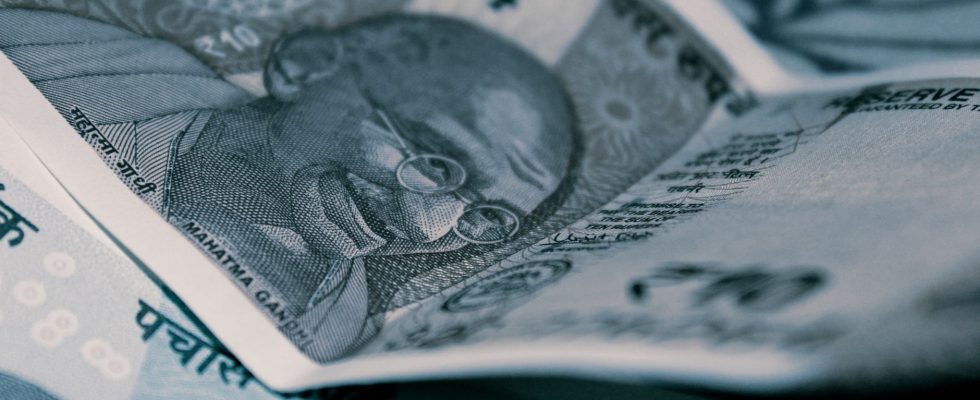
lending rates hike has become a hot topic as PNB, BoB, and Indian Bank adjust their rates following the RBI’s recent decisions. This move is expected to influence borrowers significantly.
Understanding the Recent Lending Rates Hike
The recent lending rates hike has prompted several major banks in India to adjust their interest rates accordingly. Following the Reserve Bank of India’s (RBI) decision to increase benchmark rates, prominent institutions such as Punjab National Bank (PNB), Bank of Baroda (BoB), and Indian Bank have responded swiftly.
These changes are significant as they directly affect borrowers, making loans more expensive. The banks have adjusted their rates for various loan products, including home loans and personal loans, in line with the RBI’s policy. This adjustment is expected to influence consumer spending and investment decisions across the country.
Key points regarding the current situation include:
- RBI Policy Change: The RBI has raised its key policy rates to combat inflation.
- Bank Responses: PNB, BoB, and Indian Bank have announced higher lending rates.
- Impact on Borrowers: Increased rates will affect monthly payments for existing and new borrowers.
As the financial landscape evolves, borrowers are advised to stay informed about these changes and consider their options carefully.
Impact on Borrowers and Home Loans
The recent lending rates hike by major banks, including PNB, Bank of Baroda (BoB), and Indian Bank, is expected to significantly impact borrowers across the country. With the Reserve Bank of India (RBI) increasing its policy rates, these banks have responded by adjusting their lending rates, which directly affects home loans and other types of borrowing.
Borrowers may experience:
- Increased EMIs: Home loan EMIs are likely to rise, making monthly payments more burdensome for many families.
- Reduced Affordability: Higher lending rates mean that potential homebuyers may find it more difficult to afford new properties.
- Shift in Loan Demand: As borrowing costs increase, demand for home loans may decrease, impacting the real estate market.
In light of the lending rates hike, borrowers are urged to review their financial options and consider locking in lower rates before further increases occur. Understanding these changes is crucial for effective financial planning.
Analysis of RBI’s Decision
The recent lending rates hike by the Reserve Bank of India (RBI) has prompted significant reactions from major banks, including Punjab National Bank (PNB), Bank of Baroda (BoB), and Indian Bank. An analysis of this decision reveals a strategic shift in the banking sector aimed at maintaining liquidity while addressing inflationary pressures.
As interest rates rise, banks are compelled to adjust their lending rates to balance their profit margins and operational costs. This adjustment not only influences the cost of borrowing for consumers but also reflects the banks’ responses to the evolving economic landscape.
In particular, the decision by PNB to increase its lending rates underscores the bank’s commitment to aligning with RBI’s monetary policy. Furthermore, BoB’s and Indian Bank’s reactions indicate a broader trend among financial institutions to recalibrate their offerings in response to economic indicators.
- PNB raises lending rates by 25 basis points.
- BoB follows suit with a similar increase.
- Indian Bank also adjusts rates to reflect RBI’s policies.
Comparing Lending Rates Across Banks
In response to the recent lending rates hike announced by the Reserve Bank of India (RBI), major banks like Punjab National Bank (PNB), Bank of Baroda (BoB), and Indian Bank have adjusted their lending rates accordingly. This move is aimed at aligning their interest rates with the prevailing market conditions.
As borrowers face increased costs, it is essential to compare the new lending rates across these banks:
- Punjab National Bank (PNB): PNB has raised its Marginal Cost of Funds based Lending Rate (MCLR) by 0.25%, impacting personal and home loans.
- Bank of Baroda (BoB): BoB has also increased its MCLR by 0.30%, which is expected to affect new loan applications significantly.
- Indian Bank: Indian Bank has opted for a 0.25% hike in its lending rates, reflecting a similar trend among its competitors.
These changes reinforce the impact of the RBI’s decision on lending rates, creating a ripple effect across the banking sector and affecting borrowers nationwide.
Future Predictions for Interest Rates
As the financial landscape evolves, predictions for future interest rates remain a topic of keen interest among economists and borrowers alike. The recent lending rates hike implemented by PNB, BoB, and Indian Bank in response to the RBI’s decisions has sparked discussions about the trajectory of rates moving forward.
Experts suggest that if inflation persists and economic growth remains robust, further increases in lending rates may be on the horizon. Key factors influencing these predictions include:
- Inflation Trends: Sustained inflation could prompt the RBI to maintain a tight monetary policy.
- Economic Growth: A strong economy may lead to increased demand for credit, which can push rates higher.
- Global Economic Conditions: International market trends and policies can impact domestic lending rates.
In conclusion, while the current lending rates hike reflects immediate responses to economic conditions, future adjustments will largely depend on how these variables play out in the coming months. Borrowers should stay informed to navigate this changing landscape effectively.
Expert Opinions on Banking Trends
Experts in the banking sector have expressed diverse opinions regarding the recent lending rates hike initiated by the Reserve Bank of India (RBI). Analysts suggest that this move underscores the central bank’s commitment to controlling inflation while balancing economic growth.
According to Dr. Aditi Sharma, a financial analyst at a leading consultancy, “The lending rates hike will likely lead to increased costs for borrowers, particularly affecting home loans.” She emphasizes that this could slow down consumer spending, thereby impacting overall economic activity.
On the other hand, Mr. Rajesh Mehta, a banking expert, argues that “This adjustment in lending rates is a necessary step for banks to maintain profitability in a fluctuating economic environment.” He believes that while borrowers may feel the pinch initially, the long-term effects could stabilize the market.
Additionally, industry insiders are closely monitoring how banks like PNB, BoB, and Indian Bank respond to the lending rates hike, as their strategies could set the tone for the future of credit accessibility in India.
What Borrowers Should Know Now
As borrowers navigate the recent lending rates hike, it is crucial to understand the implications for personal finances. With the Reserve Bank of India (RBI) adjusting its policies, banks such as PNB, BoB, and Indian Bank have followed suit, increasing their lending rates. This change affects various types of loans, including home loans, personal loans, and auto financing.
Borrowers should consider the following:
- Review Existing Loans: Check if your current loans are impacted and consider refinancing options if rates have significantly increased.
- Budget Adjustments: With higher rates, it may be necessary to revise monthly budgets to accommodate increased repayment amounts.
- Fixed vs. Floating Rates: Evaluate whether to opt for fixed rates for stability or floating rates that may offer lower initial costs.
- Consult Financial Advisors: Seeking advice can help navigate this changing landscape and make informed decisions.
Being proactive in understanding the lending rates hike can mitigate potential financial strain.
Photo by Habib on Pexels
Read the original
You might also like
RBI Rupee Defence: Smart Strategies for Oil Firms’ Forex Needs · XRP Price Zone: Best Proven Strategy for 500% Gains · Late-Life Divorces: The Worst Proven Trends in Japan