
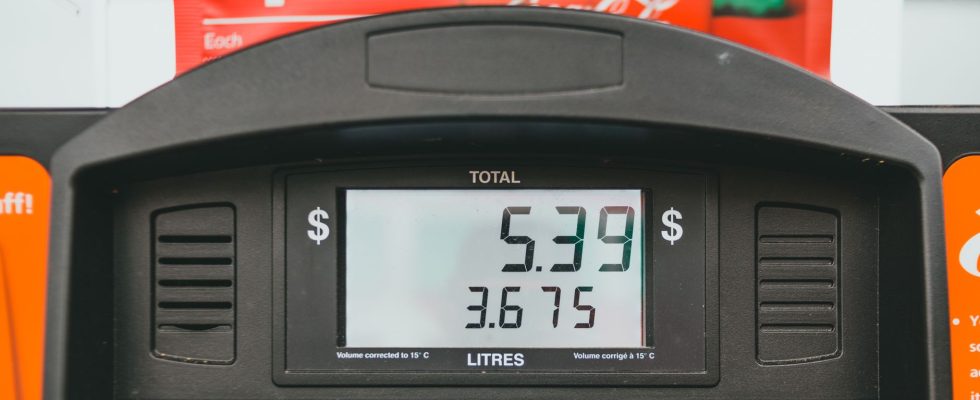
High fuel costs are driving up prices this holiday season, as a recent study highlights the impact of shipping capacity constraints.
Understanding the Impact of High Fuel Costs
The holiday season is traditionally a time of increased spending, but this year consumers may face significant challenges due to high fuel costs. According to a recent study, these elevated fuel prices are expected to have a ripple effect on the entire supply chain, ultimately leading to higher prices for holiday goods.
Several factors contribute to the impact of high fuel costs on retail prices:
- Increased Shipping Expenses: As transportation costs rise, retailers are likely to pass these expenses onto consumers. This could mean higher prices for everything from toys to electronics.
- Supply Chain Disruptions: High fuel costs can exacerbate existing shipping capacity constraints, leading to delays and shortages. Limited availability may drive prices even higher as demand outpaces supply.
- Consumer Behavior Changes: With rising prices, shoppers may alter their purchasing habits, opting for budget-friendly options or reducing their overall holiday spending.
As families prepare for the holidays, the combination of high fuel costs and the resulting price increases could lead to a more cautious approach to gift-giving this year. Retailers and consumers alike will need to navigate this complex environment as they head into the peak shopping season.
Shipping Capacity Constraints Explained
Shipping capacity constraints are contributing significantly to the challenges posed by high fuel costs this holiday season. As retailers prepare for increased demand, the limitations in shipping resources are becoming more apparent. Several factors are at play:
- Supply Chain Disruptions: Ongoing disruptions caused by the pandemic have left many shipping companies struggling to maintain adequate capacity. This has resulted in delays that can extend delivery times and inflate costs.
- Labor Shortages: A shortage of truck drivers and dock workers has further complicated logistics. With fewer workers available to handle shipments, the overall capacity to transport goods is diminished.
- Increased Demand: The surge in online shopping during the holiday season means that an already strained shipping network is facing even greater pressure. Retailers are competing for limited resources, driving up prices.
- Global Shipping Issues: International shipping has also been affected, with port congestion and container shortages exacerbating the situation. These global challenges have a direct impact on domestic supply chains.
As a result, consumers can expect that high fuel costs will not only affect the prices they see on shelves but also contribute to delays in receiving their holiday purchases. Retailers are urging shoppers to plan ahead and be prepared for potential price increases and longer wait times.
How Consumers Are Affected This Holiday Season
This holiday season, consumers are feeling the pinch as high fuel costs continue to drive up prices across various markets. Many families are bracing for an increase in their holiday spending as they navigate the implications of rising transportation expenses.
According to recent studies, the surge in fuel prices has a ripple effect on retail prices, impacting everything from gifts to groceries. Shoppers are finding that:
- Gift prices have risen as retailers pass on shipping costs to consumers.
- Food items, especially seasonal favorites, have experienced price hikes due to increased transportation fees.
- Local businesses are struggling to maintain competitive pricing amidst soaring fuel expenses.
Additionally, consumers are adjusting their holiday budgets, with many opting for alternative solutions:
- Prioritizing essential gifts over luxury items to manage costs.
- Exploring online shopping options to take advantage of better deals.
- Delaying purchases until closer to the holiday to see if prices stabilize.
As families face the reality of high fuel costs, experts suggest they remain vigilant and adaptable, seeking bargains and planning their spending wisely to make the most of this holiday season.
Strategies for Managing Increased Shipping Costs
The rising trend of high fuel costs has prompted many businesses to rethink their shipping strategies for the upcoming holiday season. As prices continue to soar, companies are implementing several tactics to manage increased shipping expenses effectively.
- Consolidation of Shipments: By combining orders, businesses can reduce the number of trips needed for delivery, thereby lowering overall fuel consumption and costs.
- Negotiating with Carriers: Companies are actively engaging with shipping providers to secure better rates and terms. This can include long-term contracts that lock in lower prices.
- Exploring Alternative Transportation: Some businesses are considering shifting to more fuel-efficient modes of transportation, such as rail or sea freight, which can be more economical despite longer transit times.
- Adjusting Delivery Windows: Offering customers flexible delivery options can help businesses optimize route planning and minimize fuel use, which directly impacts shipping costs.
- Investing in Technology: Utilizing logistics software to enhance route efficiency and inventory management can lead to significant savings on fuel and shipping expenses.
By employing these strategies, retailers aim to mitigate the impact of high fuel costs on their operations, ultimately benefiting consumers during the holiday shopping season.
The Future of Fuel Prices and Logistics
The recent surge in high fuel costs is expected to have lasting effects on logistics and shipping in the coming months. As fuel prices remain elevated, companies across various sectors are scrambling to adapt to the new economic landscape. This adjustment is not only impacting transportation costs but also the price of goods, which consumers will feel during the holiday season.
According to industry experts, several factors will influence the future of fuel prices:
- Global Oil Supply: Ongoing geopolitical tensions and production decisions by major oil-exporting nations could lead to continued volatility in fuel prices.
- Consumer Demand: A rebound in global demand post-pandemic may sustain high fuel costs as economies continue to recover.
- Regulatory Changes: Environmental regulations aimed at reducing carbon emissions may increase operational costs for shipping companies, further driving up prices.
- Technological Advances: Investments in alternative energy sources and more efficient logistics could potentially mitigate some of the impacts of high fuel costs in the long term.
As these factors unfold, retailers and consumers alike are advised to prepare for a holiday season that could be marked by higher prices and potential supply chain delays. Adapting to the realities of the current economic climate will be crucial for all stakeholders involved.
Expert Insights on Holiday Pricing Trends
Experts are weighing in on how high fuel costs are shaping pricing trends for the upcoming holiday season. With transportation expenses soaring, retailers are left with limited options to manage their bottom line while still attracting holiday shoppers.
According to a recent study, the combination of elevated fuel prices and shipping capacity constraints is expected to lead to a significant increase in prices for various goods. Experts highlight that consumers may see price hikes across the board, from electronics to groceries, as businesses grapple with rising operational costs.
One prominent economist noted, “The ripple effect of high fuel costs can be felt in every sector. Retailers will likely pass on some of these expenses to consumers, which could dampen holiday spending.”
Additionally, analysts suggest that businesses may also adopt new pricing strategies to mitigate the impact of these costs. Some retailers might offer promotions on certain items while raising prices on others, aiming to maintain overall sales volume.
As the holiday season approaches, the consensus among experts is clear: high fuel costs will leave a lasting mark on consumer prices, making this year’s holiday shopping experience quite different from previous years.
In conclusion, understanding these trends will be crucial for both retailers and consumers navigating the financial landscape of the season.
Photo by Erik Mclean on Pexels