
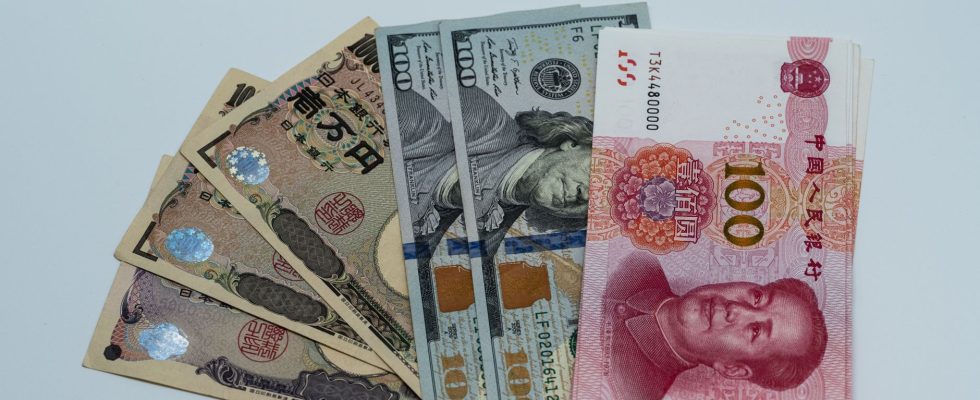
Chinese investment in India is becoming a significant topic, especially as Uday Kotak expresses his support for it. This endorsement highlights the potential benefits of such collaborations for the Indian economy.
Understanding Chinese Investment
As the global economy evolves, the landscape of investment is shifting significantly. One notable trend is the increasing presence of Chinese investment in India, which has sparked discussions among economists and business leaders alike. Uday Kotak, a prominent Indian banker, advocates for this influx of funds, suggesting that embracing Chinese capital could be a strategic move for India.
Understanding the dynamics of this investment is crucial. Chinese investment in India primarily focuses on various sectors, including technology, infrastructure, and manufacturing. The following points highlight key aspects:
- Economic Growth: Increased capital can stimulate growth in local businesses and create jobs.
- Innovation: Collaboration with Chinese firms can lead to technology transfer and innovation in India.
- Market Expansion: Chinese companies often seek access to the vast Indian market, fostering competition and improving services.
- Regulatory Challenges: While the potential benefits are significant, navigating regulatory hurdles remains a challenge.
By fostering a conducive environment for Chinese investment in India, the nation can leverage these opportunities for sustainable growth and innovation.
Uday Kotak’s Perspective
Uday Kotak, a prominent Indian banker and the CEO of Kotak Mahindra Bank, has shared his insights on the role of Chinese investment in India, emphasizing the potential benefits for the country’s economic landscape. He believes that embracing such investments could lead to significant advancements in growth and innovation.
In his recent statements, Kotak highlighted several key points:
- Collaboration Over Competition: He advocates for a mindset shift where Indian businesses see Chinese firms as partners rather than competitors.
- Boosting Infrastructure: Chinese investment can play a crucial role in enhancing India’s infrastructure, which is essential for sustainable growth.
- Technology Transfer: Engaging with Chinese companies can facilitate the transfer of cutting-edge technologies to India, fostering innovation.
- Creating Jobs: Increased investment from China could lead to job creation, addressing unemployment issues in various sectors.
Kotak’s perspective underscores that rather than resisting foreign investment, particularly from China, India should leverage it as a tool for development.
Benefits of Foreign Investment
Foreign investment plays a crucial role in enhancing a country’s economic landscape, and Chinese investment in India is no exception. The infusion of capital from Chinese firms can lead to multiple benefits, significantly contributing to India’s growth and innovation.
- Job Creation: One of the most immediate advantages is the generation of jobs. Chinese companies often bring significant resources, leading to the establishment of new ventures and the expansion of existing businesses, thereby creating employment opportunities for thousands.
- Technology Transfer: Collaborations with Chinese enterprises can facilitate the transfer of advanced technologies and practices, fostering innovation and increasing productivity within Indian firms.
- Market Expansion: Chinese investment can also help Indian businesses reach new markets. Partnerships can lead to greater access to international supply chains and distribution networks, essential for scaling operations.
- Infrastructure Development: Investments in infrastructure projects can improve connectivity and logistics, ultimately benefiting consumers and businesses alike.
As Uday Kotak emphasizes, embracing Chinese investment in India might be a strategic move to leverage these benefits, fostering a collaborative approach to economic growth.
Challenges in the Indian Market
Despite the potential benefits, Chinese investment in India faces several challenges that could hinder its growth and innovation. These obstacles stem from regulatory, cultural, and geopolitical factors that both investors and companies must navigate.
- Regulatory Hurdles: The Indian government has implemented strict regulations regarding foreign investments, particularly those from China. These regulations often lead to bureaucratic delays and increase compliance costs for Chinese firms.
- Cultural Differences: Chinese companies may struggle to adapt to India’s diverse business culture and consumer behavior, which can impact their operations and marketing strategies.
- Geopolitical Tensions: Ongoing tensions between India and China can create an environment of uncertainty, discouraging investment. Negative public sentiment towards Chinese products and brands further complicates matters.
- Infrastructure Challenges: Inadequate infrastructure in some regions can impede the smooth functioning of businesses and deter potential investments.
Addressing these challenges will be crucial for unlocking the full potential of Chinese investment in India and fostering a collaborative environment for innovation and growth.
Economic Impact of Collaboration
The economic impact of collaboration between Chinese investors and Indian businesses is becoming increasingly significant. As the landscape of global commerce evolves, Chinese investment in India is seen as a strategic opportunity for growth and innovation.
By channeling funds into various sectors, Chinese firms are not only enhancing their own portfolios but also driving the Indian economy forward. The infusion of capital can lead to:
- Job Creation: Increased investment means more job opportunities for local talent, fostering a skilled workforce.
- Technological Advancement: Collaborations can bring advanced technology and practices to India, improving productivity.
- Market Expansion: Companies can leverage Chinese networks to reach new markets and consumers.
- Increased Competition: A diverse market encourages competition, leading to better products and services for consumers.
As Uday Kotak noted, embracing Chinese investment in India could serve as a catalyst for economic transformation. By focusing on collaboration rather than competition, both nations can benefit immensely from shared resources and innovations.
Future of Business in India
The future of business in India is set to undergo a significant transformation, particularly with the increasing presence of Chinese investment in India. As markets evolve, India stands at the crossroads of opportunity and innovation, driven by global partnerships.
Several factors contribute to this optimistic outlook:
- Technological Advancements: Chinese firms bring cutting-edge technology that can enhance Indian industries, leading to more efficient production processes.
- Market Expansion: With access to Chinese capital, Indian businesses can expand their operations, reaching new markets and enhancing competitiveness.
- Job Creation: Increased investment is likely to create jobs, benefiting the local economy and reducing unemployment rates.
- Knowledge Transfer: Collaborations can facilitate the exchange of knowledge and expertise, fostering innovation in various sectors.
However, it is essential for India to navigate this influx of foreign capital carefully, ensuring that regulations are upheld while fostering an environment conducive to growth. If managed well, Chinese investment in India could be a key driver of sustainable economic progress.
Comparative Analysis with Other Investments
As the discourse around Chinese investment in India evolves, it is essential to compare it with other foreign investments in the Indian market. Various countries have recognized the potential of India’s vast consumer base and talent pool, leading to a surge in investments.
Countries such as the United States, Japan, and South Korea have made significant contributions, each bringing unique advantages:
- United States: Focuses on technology and innovation, fostering startups and introducing advanced industrial practices.
- Japan: Known for its robust manufacturing sector, it emphasizes quality and efficiency, impacting infrastructure development.
- South Korea: Contributes notably in sectors like electronics and automobiles, enhancing competition and modernization.
However, Chinese investment in India stands out due to its scale and speed, often providing immediate capital influx. This investment not only accelerates growth but also introduces innovative practices that can transform Indian industries. By learning from the experiences of other nations, India can harness the potential of Chinese investment while addressing existing challenges, paving the way for a more competitive economic landscape.
Regulatory Environment for Investors
The regulatory environment for investors in India has seen significant evolution, particularly in the context of Chinese investment in India. The Indian government has introduced several reforms aimed at streamlining the investment process and enhancing transparency. These changes are designed to create a more favorable climate for foreign investors, including those from China.
Key aspects of the regulatory framework include:
- Ease of Doing Business: Initiatives to simplify compliance requirements and reduce bureaucratic hurdles have been a priority, making it easier for Chinese firms to establish operations in India.
- Foreign Direct Investment (FDI) Norms: The government has adjusted its FDI policies to allow greater participation from foreign players, encouraging Chinese investment in various sectors.
- Sector-Specific Regulations: Certain industries, such as technology and infrastructure, have witnessed customized regulations that facilitate Chinese investment while ensuring national security.
- Dispute Resolution Mechanisms: Improvements in legal frameworks for dispute resolution are crucial in building investor confidence, particularly among Chinese firms wary of regulatory risks.
These regulatory advancements signal India’s commitment to fostering a collaborative environment for foreign investors, which is essential for driving growth and innovation.
Photo by Qing Luo on Pexels