
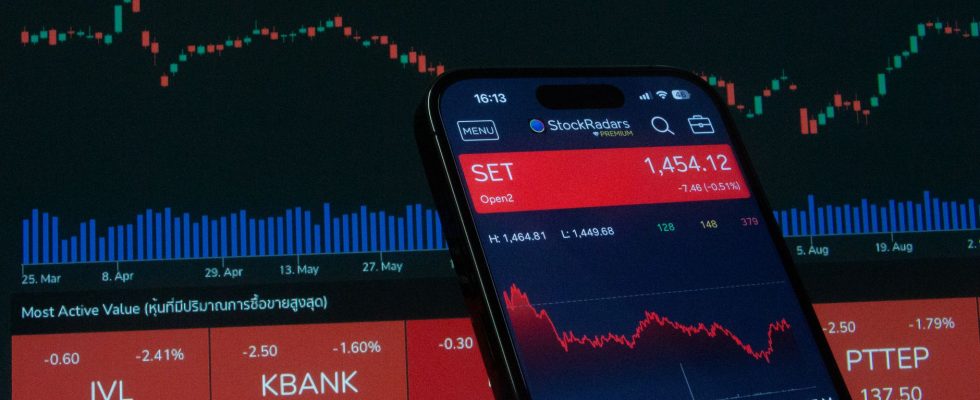
The share market con has exposed a shocking scheme involving a wig, three identities, and crores lost. This article delves into the details of this elaborate fraud.
Understanding the Share Market Con
The recent uncovering of a major scam has thrown light on the intricate workings of the share market con. This elaborate scheme involved sophisticated tactics that deceived countless investors.
At the heart of the operation was a con artist who assumed multiple identities, creating a façade of legitimacy. The scam unfolded in several stages:
- Identity Creation: The perpetrator utilized a wig and various disguises to maintain anonymity.
- False Promises: Investors were lured with promises of high returns on investments in the stock market.
- Exploitation of Trust: The scammer built relationships with victims, fostering trust before executing the heist.
- Massive Financial Losses: Ultimately, crores worth of investments vanished, leaving victims in financial ruin.
As investigations continue, it is crucial for potential investors to remain vigilant and informed about the risks associated with share market con operations. Awareness and skepticism can serve as vital tools in preventing future scams.
The Role of Identity Theft
The share market con has increasingly involved sophisticated tactics, with identity theft playing a crucial role. Criminals often assume multiple identities to deceive unsuspecting investors.
One notable case involved an individual who used a wig and various aliases to create a facade of legitimacy. This person would approach potential victims, promising high returns on investments in the share market. With a convincing backstory and fake documentation, the con artist gained trust rapidly.
Victims were lured in by the prospect of making significant profits, only to discover later that their personal information had been misused. The perpetrators would use stolen identities to open accounts and manipulate stock trades, further complicating the investigation.
As the scam unfolded, victims found themselves facing financial losses amounting to crores. The emotional and financial toll was devastating, underscoring the need for increased awareness about identity theft in relation to the share market con.
Preventive measures, such as verifying identities and conducting thorough background checks, are essential to combat these deceitful practices.
How the Scam Was Executed
The execution of the share market con involved a meticulously planned scheme that exploited both technology and human psychology. The perpetrators created a façade of legitimacy by using fake identities and documents, allowing them to manipulate unsuspecting investors.
Key elements of the scam included:
- Fake Investment Platforms: The con artists established numerous websites that mimicked legitimate trading platforms, complete with enticing offers and guaranteed returns.
- Identity Theft: Utilizing stolen identities, they posed as credible financial advisors, gaining the trust of potential victims.
- Emotional Manipulation: By leveraging high-pressure tactics and emotional appeals, they convinced individuals to invest large sums without conducting proper due diligence.
- Complex Schemes: The scam involved layers of complexity, making it difficult for investors to trace their money and realize they were victims.
As the scheme unfolded, many were left devastated, realizing too late that their investments had vanished, leading to significant financial losses.
Victims’ Stories and Losses
The share market con has left many victims grappling with significant financial losses and emotional turmoil. Below are a few poignant stories that highlight the devastating impact of this scam:
- Ravi Kumar: A small business owner, Ravi invested his life savings of ₹15 lakhs into what he believed were legitimate shares. After realizing he had been duped, he faced severe financial strain and had to close his shop.
- Meena Sharma: A retired school teacher, Meena was lured by promises of high returns. She lost ₹10 lakhs, which she had set aside for her grandchildren’s education, leaving her feeling betrayed and heartbroken.
- Ajay Singh: After being targeted on social media, Ajay was convinced to invest ₹5 lakhs in fake shares. He now struggles with anxiety and regret over his decision.
These stories illustrate the widespread effects of the share market con, as victims not only suffer financial losses but also emotional distress that lasts long after the scam is uncovered.
Legal Actions Taken
In response to the devastating impacts of the share market con, authorities have initiated a series of legal actions aimed at bringing the perpetrators to justice. Law enforcement agencies have formed a special task force dedicated to investigating the scam and tracking down those involved.
The legal actions include:
- Arrests: Several key suspects have been apprehended, with investigators uncovering their elaborate network and methods.
- Charges: Those arrested face serious charges, including fraud, identity theft, and conspiracy to commit financial crimes.
- Asset Seizure: Authorities are working to seize assets acquired through the scam, aiming to return funds to the victims.
- Civil Lawsuits: Victims are also pursuing civil lawsuits against the perpetrators, seeking compensation for their losses and emotional distress.
As the legal processes unfold, the community remains hopeful that justice will be served and that measures will be implemented to prevent future incidents of similar scams in the share market.
Preventing Future Scams
As the share market con continues to impact innocent investors, it becomes crucial to implement effective preventive measures. Awareness is the first line of defense. Individuals must educate themselves about the common tactics used by scammers, such as promises of unrealistic returns and pressure tactics to invest quickly.
Financial institutions and regulatory bodies also play a vital role in safeguarding the market. They should enhance their monitoring systems to detect suspicious activities and strengthen regulations around investment promotions. Regular audits and stricter penalties for fraudulent practices can act as deterrents.
Investors are encouraged to follow these guidelines to protect themselves:
- Verify the source: Always check the credentials of investment advisors and companies.
- Research thoroughly: Investigate any investment opportunity before committing funds.
- Report suspicious activities: Notify authorities of any potential scams to help others avoid falling victim.
By staying informed and vigilant, individuals can significantly reduce their risk of becoming victims of the share market con.
Expert Opinions on Investment Safety
As the share market con continues to unravel, financial experts emphasize the importance of vigilance and education in investment safety. According to Dr. Emily Thompson, a renowned financial analyst, “Investors must thoroughly research any investment opportunities and be wary of promises that seem too good to be true.” She highlights the growing sophistication of scammers who exploit gaps in market understanding.
John Patel, a cybersecurity expert, warns that identity theft plays a crucial role in these scams. “Many perpetrators create fake identities to gain the trust of their victims,” he states. “This is why protecting personal data is essential.” He recommends that investors regularly monitor their financial statements and report any suspicious activity immediately.
Moreover, investment advisor Sarah Lee suggests that potential investors participate in workshops and seminars to enhance their knowledge of the share market. “Education is the first line of defense against scams,” she asserts, stressing that informed investors are less likely to fall prey to a share market con.
Ultimately, a proactive approach can significantly mitigate risks associated with investing.
Conclusion: Lessons Learned
In the aftermath of the share market con, several crucial lessons have emerged that can help safeguard investors from future scams. Firstly, it’s essential for individuals to conduct thorough research before making any investment decisions. Relying solely on the advice of friends or online forums can lead to significant financial losses.
Secondly, the importance of verifying the identity of financial advisors cannot be overstated. Scammers often use false identities to gain trust, making it imperative for investors to ask for credentials and conduct background checks.
Additionally, the case highlights the need for enhanced regulatory measures. Authorities must work towards implementing stricter guidelines for financial transactions and monitoring suspicious activities in the share market.
Finally, fostering a culture of awareness and education about investment risks can empower individuals to make informed choices. By understanding the tactics used in the share market con, potential investors can better protect themselves from falling victim to similar schemes in the future.
Photo by StockRadars Co., on Pexels